
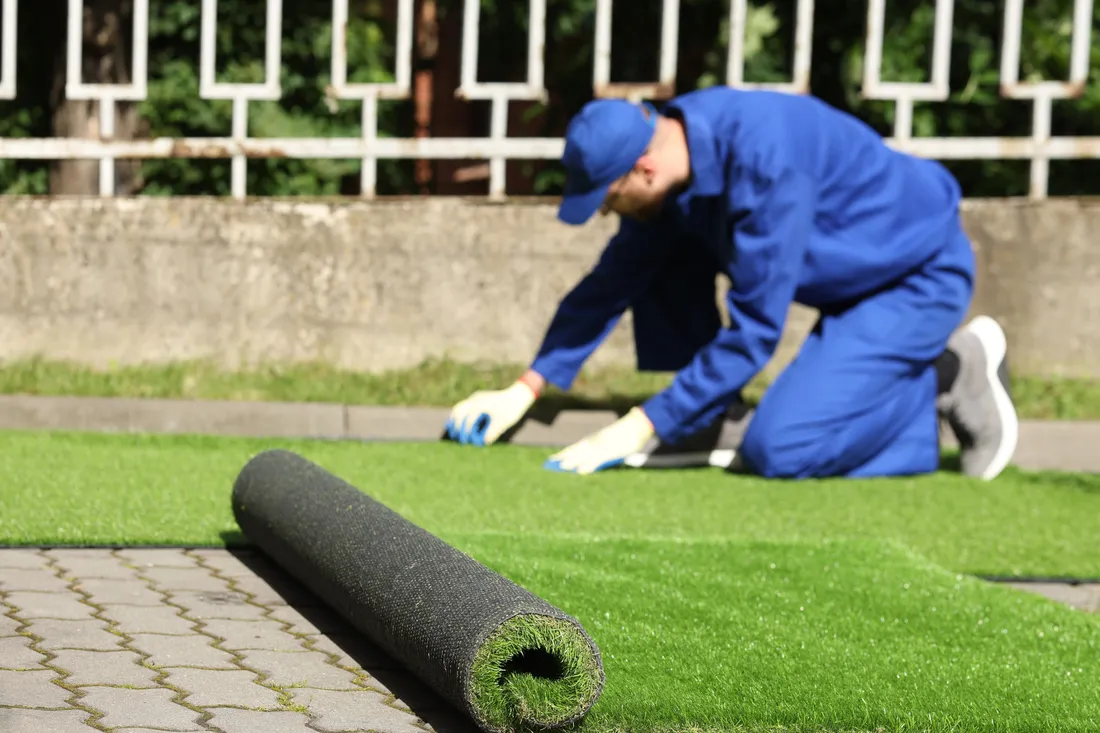
Front and back lawns
The standard job: the strip of buffalo or kikuyu that browns off every February, replaced with a surface that does not care what day of the week it is.
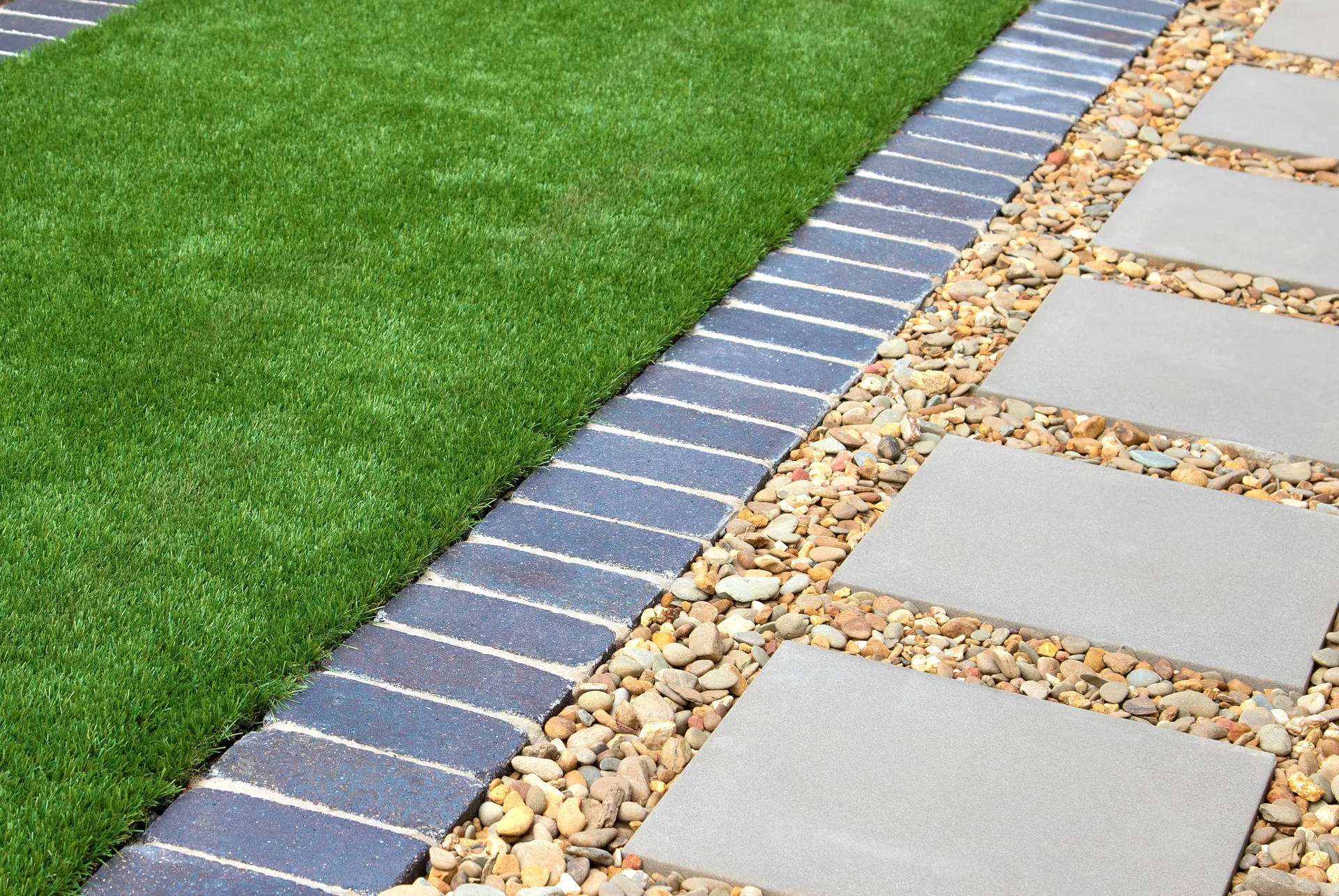
In Perth, how often you may water a lawn is set by law, and the day is set by the last digit of your street number. That single fact is why synthetic turf comes up here more than almost anywhere else in the country. We publish the rules and the pricing, then pass your enquiry to one vetted local installer.
Tell us a little about your job and we'll pass it to a vetted local installer.
Everywhere else in Australia, watering rules are a nuisance you work around. In Perth they are the whole argument. Water Corporation runs a permanent two-days-per-week sprinkler roster, and the two days you get are decided by the last digit of your street number, not by your suburb and not by your council. On top of that sits the Sprinkler Switch-off, which Water Corporation states "runs from 1 June until 31 August every year" and has been "a permanent water saving initiative since 2010". Anyone caught running sprinklers in that window "risks a $100 fine".
Be careful how you read that, because plenty of turf marketing gets it wrong. The Switch-off bans sprinklers. Water Corporation's own hand watering advice says you can use "a watering can or hand-held garden hose if your plants are looking a little thirsty on any day of the week". Perth homes are not forbidden from watering; they are forbidden from doing it the easy way for a quarter of the year. If you want the digit-by-digit table and the new-lawn exemption rules, we have written them out in full in our guide to the sprinkler roster and what it means for your lawn.
The part people underestimate is the new-lawn exemption. Laying fresh roll-on lawn does not grant you free watering. You must apply, on the day of installation, and the exemption expires: up to 42 days if granted between 1 October and 31 March, up to 35 days if granted between 1 April and 30 September. Water Corporation also warns that "you will be charged for the extra water you use". A synthetic lawn skips that process entirely, which is a small thing on paper and a large thing in practice.
Perth yards fall into a few recognisable shapes, and the price behaves differently in each.
The standard job: the strip of buffalo or kikuyu that browns off every February, replaced with a surface that does not care what day of the week it is.

Denser, shorter pile over a permeable backing, with an odour-absorbing infill. Perth sand drains beautifully, which helps, but only if the base under the turf is built to let it.
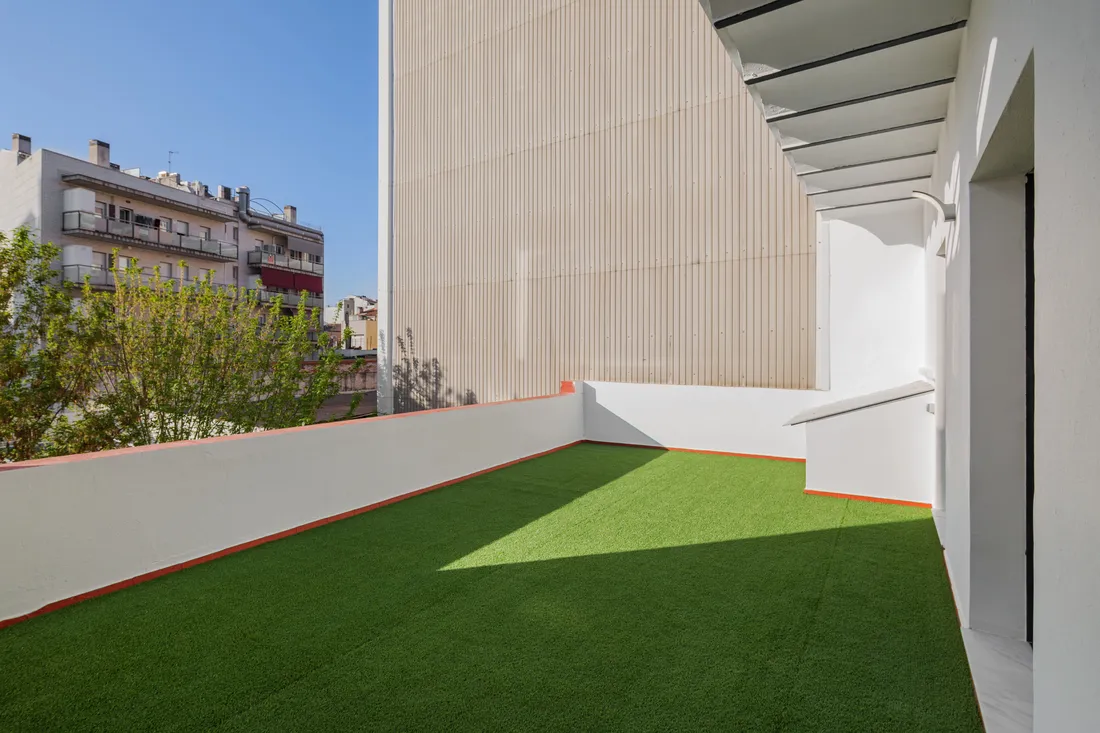
Small, walled, often paved. Common in Perth's middle ring, and the rules differ depending on whether your scheme is a strata scheme or a survey-strata scheme.
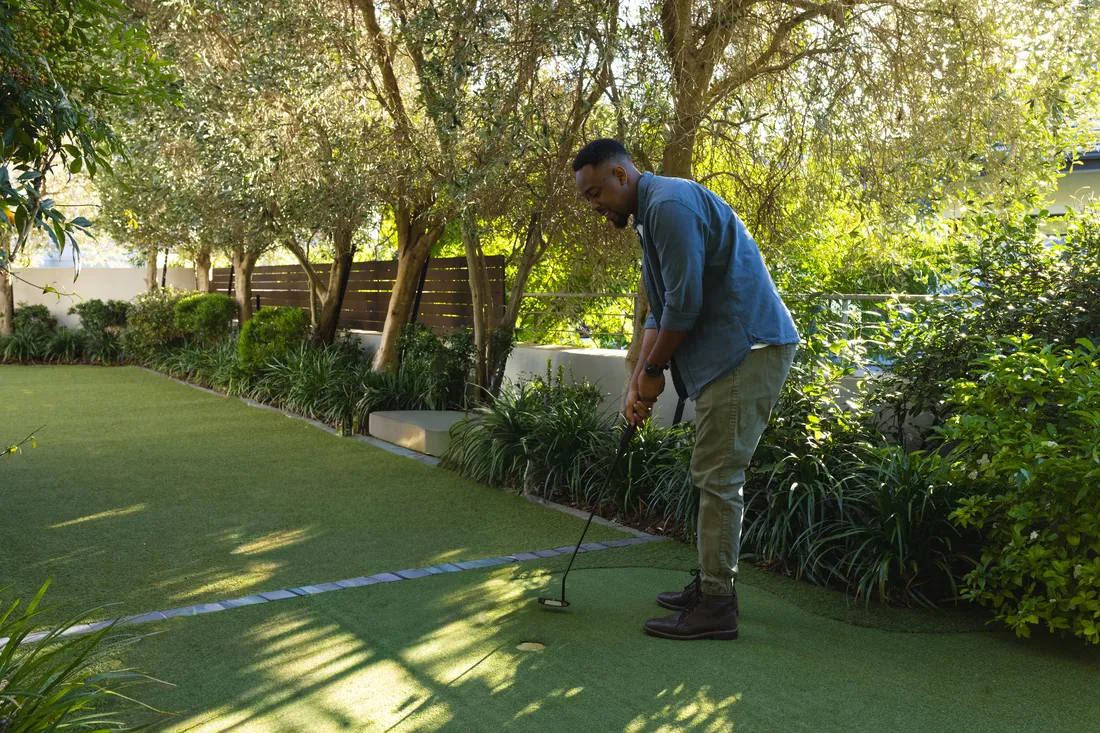
Very short, very dense pile, quoted as a separate job to a lawn because the base tolerances are tighter and the surface has to roll true.
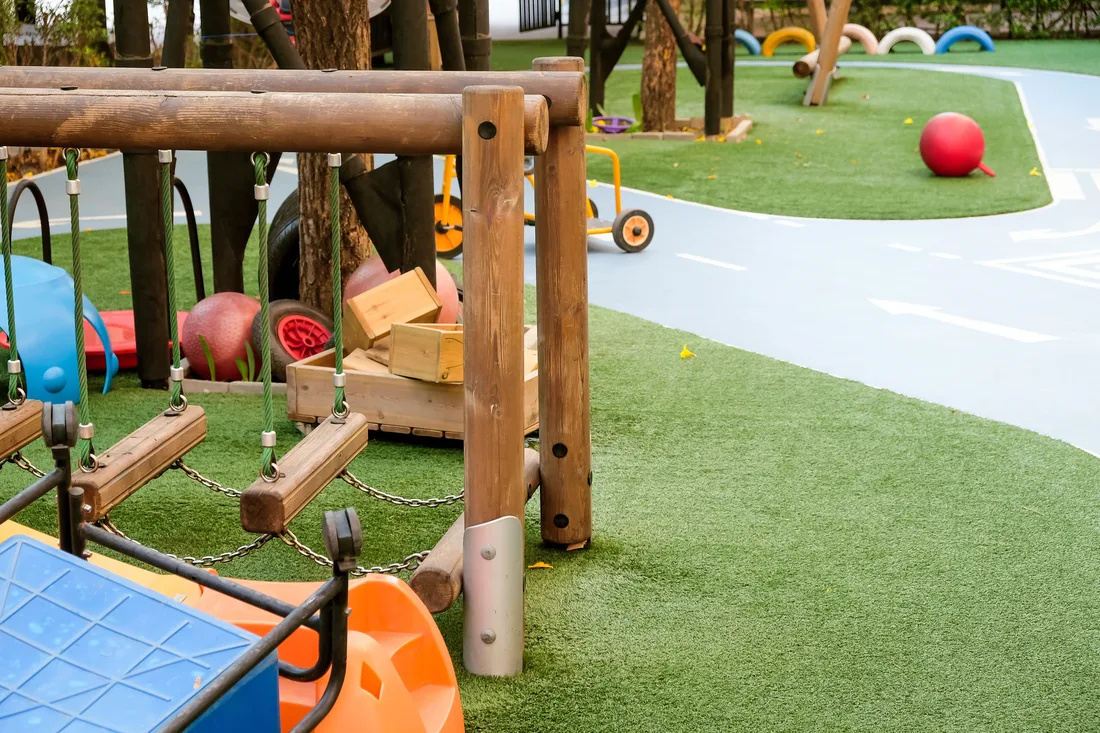
Six councils cover our Perth suburbs and they do not agree. Gosnells permits artificial lawn on the verge by name; Canning refuses it by name. We publish both positions rather than guessing.
| Tier | Supply only ($/m²) | Supplied & installed ($/m²) | Typical lifespan |
|---|---|---|---|
| Budget | $25–40 | $75–95 | 5–8 years |
| Mid | $40–60 | $95–130 | 10–15 years |
| Premium | $60–100+ | $130–160+ | 15–20+ years |
Supplied-and-installed ranges per square metre, compiled from published 2025–26 Australian supplier and industry pricing (Premier Grass, EasyTurf, All Seasons and others). Most standard residential lawns land in the $90–130/m² installed band. These are indicative planning figures, not a quote.
The lazy version of this page would say "Perth is sand, sand drains, therefore easy". Two of our ten suburbs prove that wrong. In the WA Government's soil landscape mapping, Success comes back 100% Bassendean System, deep pale sand, of which the B1 and B2 phases are the well drained rises and the B4 phase (20.3% of the suburb) is mapped as "Broad poorly drained sandplain". Sand and poorly drained are not opposites here: a clay layer or an iron-organic hardpan sits underneath at depth and water stops when it reaches it.
Head east and the ground changes species. Kalamunda is 59.2% Dwellingup 2 phase, described in the dataset as "well drained, shallow to moderately deep gravelly brownish sands, pale brown sands and earthy sands overlying lateritic duricrust", with no coastal plain sand in the suburb at all. Forrestfield sits where three systems meet. High Wycombe is mostly sand over mottled clay, which is the duplex profile that makes falls and drainage design matter. All of these percentages describe the whole suburb polygon, parks and roads included, so treat them as context and let the installer's shovel have the final word.
There is one more Perth quirk worth naming. Water Corporation says outright that "Sandy soils are known to be water repellent (hydrophobic), making it a challenge to maintain a healthy garden in WA". If you have ever watched water bead and run off a dry patch of your own lawn instead of soaking in, that is the phenomenon, and it is a large part of why Perth lawns brown off in patches no matter how carefully you follow the roster.
Suburb, rough area in square metres, and what the space is for. Four fields, no account, no cost.
Not a panel and not a bidding war. Your enquiry goes to a single vetted Perth installer who arranges a time to measure.
Hold it against the published ranges on this site. If it does not stack up, say no. Nobody chases you.
Excavation, base build, compaction, lay and infill, plus capping any reticulation that used to feed the lawn.
This is the fact we most want Perth homeowners to have, because nobody else publishes it clearly. Drive from Gosnells into Canning and the legal position on artificial turf on the verge flips completely. The City of Gosnells lists "Artificial lawn" under "Permitted materials for your verge" and adds a condition that it is "permitted where it is installed to manufacturer's specifications". The City of Canning's verge policy defines "Artificial turf / synthetic grass" as an unacceptable material and states that "Approval will not be granted" for it.
Between those two poles, the City of Swan allows synthetic turf with written permission, the City of Cockburn requires approval past a 25% threshold, the City of Kalamunda permits it but counts it as a non-vegetated area capped at half your verge, and the Shire of Serpentine-Jarrahdale lists artificial turf as non-permissible. Six councils, four different answers. We have set out each one with its own words and a link to the source document in the council-by-council verge guide. None of it applies behind your fence.
These are the Perth suburbs we get asked about most, spread deliberately from the coastal plain sand out to the foothills. If yours is not here, send the form anyway: installers in the network cover a wider area than this list.
No. Water Corporation's roster and the Sprinkler Switch-off govern how you may water a lawn or garden. Artificial turf is not watered to keep it alive, so the rules stop being something you have to plan around. Worth being precise about what the rules actually are, though: sprinklers are limited to two days a week set by the last digit of your street number, once per day, before 9am or after 6pm, and sprinklers are banned outright from 1 June to 31 August each year. Water Corporation states $100 on the spot fines for breaches.
Your suburb makes no difference at all, which surprises a lot of people. The Department of Water and Environmental Regulation puts it plainly: "Sprinkler roster days are based on the last digit of your house number." Number 7 in Willetton and number 7 in Ballajura get the same two days. Garden bore users in Perth and Mandurah have been on the same two-day roster since 1 September 2022, so a bore does not buy you extra days.
Not everywhere, and this matters for what your base costs. Success maps as 100% Bassendean System in the WA Government's soil landscape data, which is deep sand. Kalamunda has no Swan Coastal Plain sand at all: it is 59.2% Dwellingup 2 phase, described as gravelly sands over lateritic duricrust, up on the Darling Plateau. Digging a base on those two blocks is a different job with a different price. Mapping is regional, so a site check is still the only way to know your own yard.
It depends entirely on which council you are in, and neighbouring councils genuinely disagree. The City of Gosnells lists "Artificial lawn" among its permitted verge materials. The City of Canning lists "Artificial turf / synthetic grass" as an unacceptable material and its policy says approval will not be granted. City of Swan and City of Cockburn both allow it with approval. None of this affects turf inside your own fence, which is what most jobs are.
Hot, and we will not soften it. Perth Airport averages 28.7 days a year at or above 35°C and 4.5 days at or above 40°C on the Bureau of Meteorology's long-run figures. Western Sydney University researcher Dr Sebastian Pfautsch has reported unshaded artificial turf approaching 100°C. Lighter yarn colours run cooler, shade helps a great deal, and hosing the surface drops it quickly. An unshaded west-facing yard is the hardest case and a good installer will say so before quoting.
There is not, anywhere in Australia. Water Corporation's Perth and Peel offers are a toilet rebate and a Waterwise Irrigation Rebate, and the irrigation one requires you to "Have an existing irrigation system which has watered your garden within the last 2 years". Removing your lawn and retic makes you less eligible, not more. The financial case for turf is the water and the mowing you stop buying, not a cheque.
It gets capped in the area being covered. That is a small line item and easy to overlook in a quote, but leaving live solenoids and pop-ups under a sealed surface is how you end up cutting the turf open later. Ask for it in writing, and ask what happens to the controller station that used to run the lawn zone. If a bore feeds the system, mention it, because bore and scheme setups are plumbed differently.
No Australian installer publishes standard timeframes, so we will not invent one. What we can tell you is where the hours go: excavation, base material, compaction passes and screeding take up most of a residential job, and they are also where DIY installs most often fail. Your installer should give you a firm timeframe with the written quote rather than a generic promise.
One vetted local installer, one written quote, no obligation to accept it.
Tell us a little about your job and we'll pass it to a vetted local installer.